
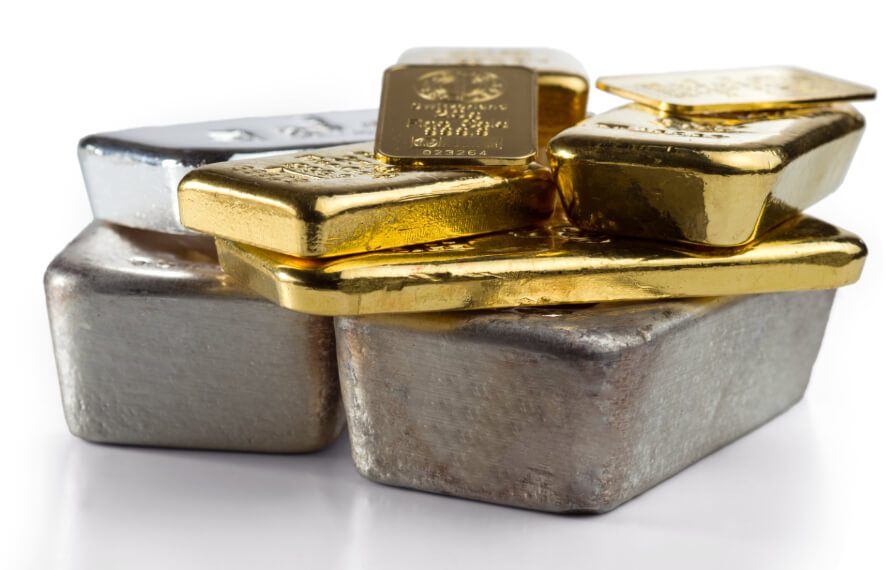
The Enduring Power of Precious Metals
In an age of digital transactions and volatile markets, the appeal of hard assets—tangible lke precious metals, physical items of intrinsic value—has never been stronger.
While this category can include everything from real estate to fine art, the ultimate and most accessible hard assets have always been precious metals.
For millennia, gold and silver have been recognized as a universal store of value. Their worth isn’t tied to a company’s quarterly earnings or a government’s fiscal policy. This is what makes them a cornerstone of a resilient financial strategy.
Here’s why precious metals remain critical in a modern portfolio:
- A Hedge Against Inflation: As the purchasing power of currencies like the Rand or the Dollar declines, precious metals historically hold or increase their value, preserving your wealth.
- Portfolio Diversification: Precious metals often have a low to negative correlation with traditional financial assets like stocks and bonds. When markets are down, metals can provide essential stability and balance.
- No Counterparty Risk: When you hold physical gold or silver, you own it outright. Its value doesn’t depend on a bank, corporation, or government fulfilling a promise. It is wealth you can hold in your hand.
- A Universal Safe Haven: In times of economic or geopolitical uncertainty, investors and central banks alike flock to the safety of gold. It’s a globally recognized asset that has weathered every financial storm in history.
Precious Metals, A Long-term Strategy
Incorporating precious metals into your long-term plan isn’t about predicting the future; it’s about preparing for it. It’s a strategic move to ground your portfolio with the time-tested security of real, tangible wealth.