
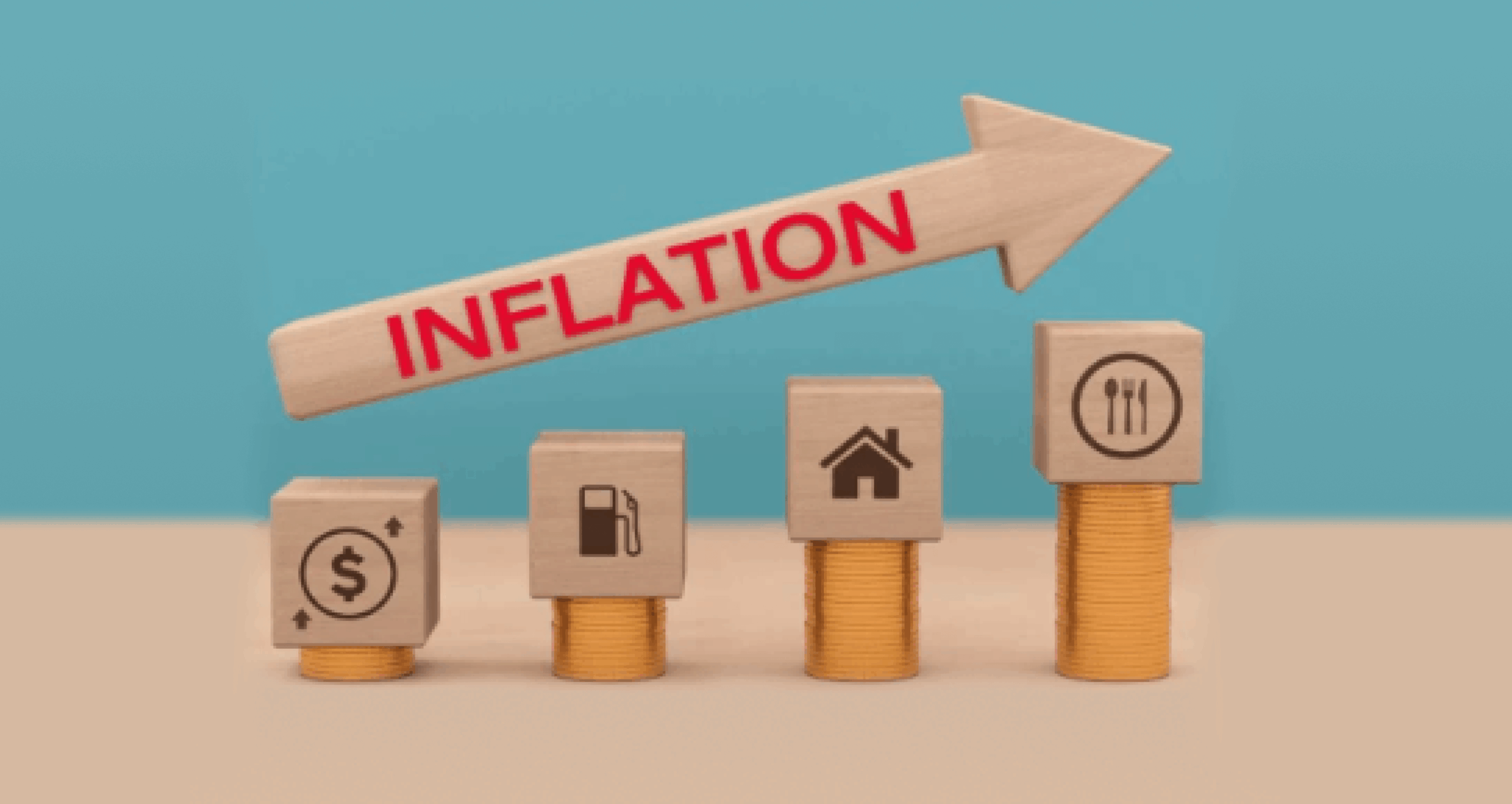
Feeling the pinch?
How does Inflation and the Rising Cost Of Living affect your personal finances?
Have you ever looked at your grocery slip and felt a genuine shock? Or filled up your car and winced at the total? You’re not imagining it. That feeling of your money not stretching as far as it used to is very real. It’s a combination of the rising cost of living and your own personal inflation rate, and it’s affecting households across the world, from Sydney to Singapore.
Here’s what this actually means for you and your budget.
The Official Story vs. Your Reality
We often hear about the official inflation rate on the news – a single number meant to capture the average price increase of goods and services. For instance, recent data shows headline inflation hovering around the low 3s, but with notable increases in key areas like food and housing. However, no one is “average.” The real impact on your wallet comes from your personal inflation rate. Think about it: if you have a long commute, the volatile petrol price hits you harder. If you have a large family, the rising cost of basic foods like maize meal, cooking oil, and bread, which have seen significant hikes, takes up a bigger chunk of your budget. Your personal inflation rate is the unique impact of price increases based on your specific spending habits.
Where We’re All Feeling the Squeeze in 2025
The rising cost of living isn’t just a concept; it’s a daily reality. Here’s how it’s showing up in our lives:
Making Your Rand Go Further
While we can’t control global oil prices or national inflation, we can take steps to manage our personal financial situation. It’s about being intentional with where our money goes.
The rising cost of living is a shared challenge. It’s reshaping our decisions, our lifestyles, and our plans for the future. By understanding how personal inflation works and taking proactive steps to manage our finances, we can better navigate these tough economic times.