
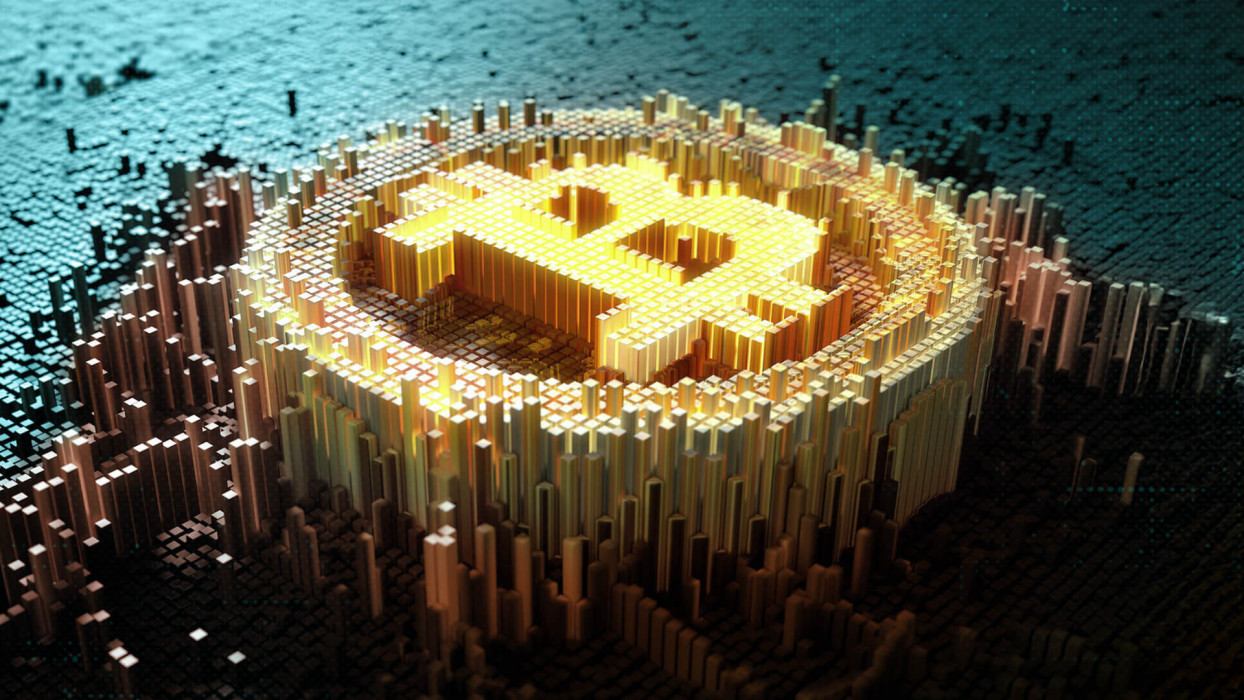
Definitions of Blockchain, Bitcoin and Ethereum
Unlocking the Digital Future: A Beginner’s Guide to Blockchain, Bitcoin, and Ethereum
You’ve probably heard the buzzwords: Blockchain, Cryptocurrency, Bitcoin, Ethereum. They pop up in news headlines, financial discussions, and tech forums. But what do they actually mean? Are they just for tech wizards and investors? 🤔 Not at all! This technology is poised to change our world in profound ways, and understanding the basics is easier than you think.
Imagine a special kind of digital notebook that is shared among a huge network of computers. This is essentially what a blockchain is.
- A Chain of Blocks: Information is stored in “blocks.” Once a block is full, it’s linked to the previous one, creating a “chain.”
- Decentralized: This notebook isn’t stored in one central place. Instead, every computer in the network has a copy. This means no single person or company (like a bank or government) is in control.
- Super Secure: Each block is cryptographically sealed to the one before it. Changing any information would mean changing every single block that comes after it across the entire network, which is practically impossible. This makes the blockchain incredibly secure and tamper-proof.
Think of it as a public, digital ledger that’s permanent and transparent. Once something is recorded on the blockchain, it’s there forever for all to see.
The Stars of the Cryptocurrency Show: Bitcoin and Ethereum
Cryptocurrencies are the digital currencies that are built on blockchain technology. They are the most famous application of this tech.
Bitcoin (BTC): The Digital Gold
Bitcoin was the very first cryptocurrency, created in 2009 by the mysterious Satoshi Nakamoto. Its primary purpose was to be a peer-to-peer electronic cash system. This means you can send Bitcoin to anyone, anywhere in the world, without needing a bank or middleman.
- Key Feature: It acts as a store of value, much like digital gold, and a decentralized currency.
- Best for: Secure, borderless financial transactions.
Ethereum (ETH): The World Computer
Launched in 2015, Ethereum took the blockchain concept a step further. While it has its own cryptocurrency, Ether (ETH), its real innovation is smart contracts.
Smart contracts are like regular contracts, but they are self-executing programs stored on the blockchain. They automatically carry out the terms of an agreement once certain conditions are met. For example, a smart contract could automatically release payment to a musician once their new song reaches 10,000 streams.
- Key Feature: Smart contracts allow developers to build decentralized applications (dApps) on the Ethereum blockchain.
- Best for: Creating applications for everything from finance (DeFi) and gaming to art (NFTs) and supply chain management.
Why Do Cryptocurrency Smart Contracts Matter to You?
Smart contracts are like regular contracts, but they are self-executing programs stored on the blockchain. They automatically carry out the terms of an agreement once certain conditions are met. For example, a smart contract could automatically release payment to a musician once their new song reaches 10,000 streams.
- Decentralized Finance (DeFi): Imagine taking out a loan, earning interest, or trading assets without ever going through a traditional bank. DeFi applications built on blockchains like Ethereum are making this a reality.
- Non-Fungible Tokens (NFTs): These unique digital assets represent ownership of items like art, music, or collectibles. Blockchain technology ensures that their ownership is verifiable and secure.
- More Transparency: From tracking food from farm to table to ensuring fair voting systems, blockchain can bring unprecedented transparency and security to countless industries.
The world of blockchain and cryptocurrency is vast and constantly evolving. It’s more than just a new way to pay for things; it’s a foundational technology that could redefine how we interact, transact, and trust in the digital age. While it may seem complex at first, at its core, it’s about creating a more open, secure, and decentralized world for everyone. The journey is just beginning! 🚀